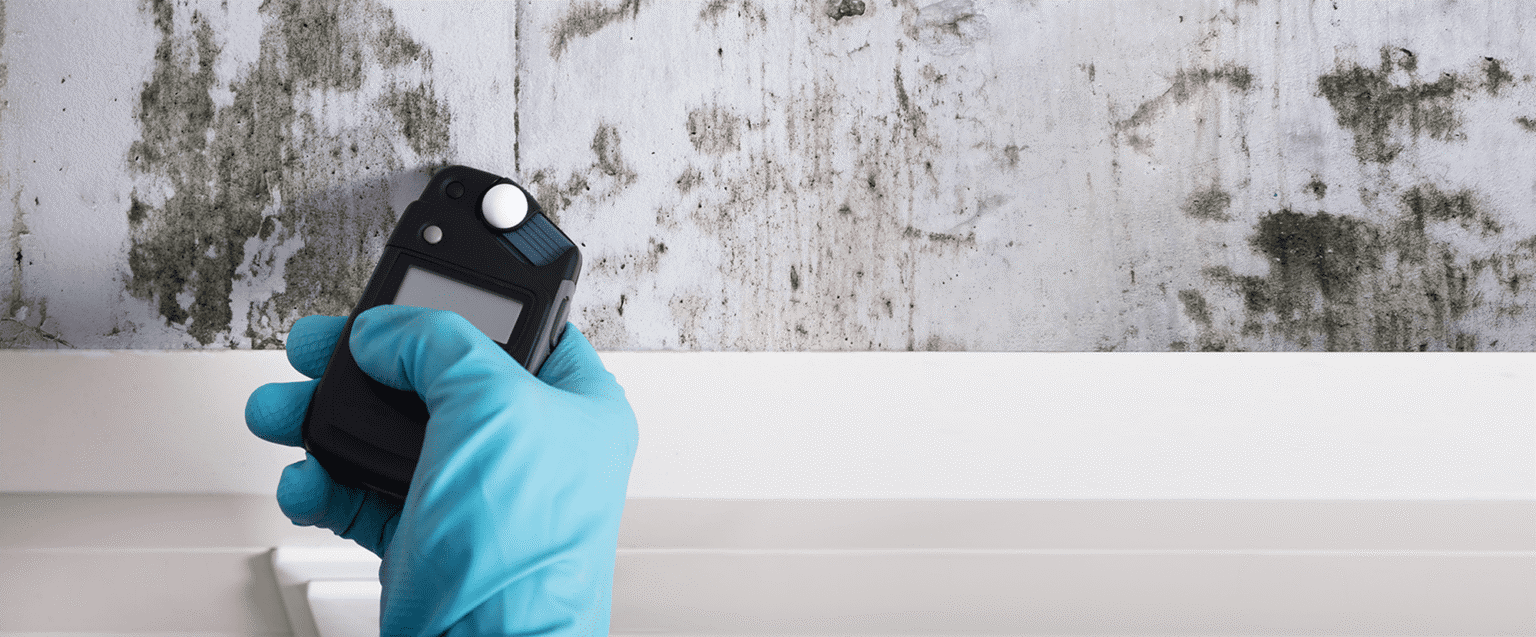
Mold is one of the most common household problems that often goes unnoticed until it becomes a serious health hazard. Hidden mold can grow behind walls, under carpets, inside air ducts, and in other concealed areas, making it difficult for homeowners to detect. Exposure to mold can trigger allergic reactions, respiratory issues, and other health problems. This is where professional Mold Testing Services play a crucial role. These services help identify and assess mold infestations, even in areas that are not visible to the naked eye.
The Importance of Detecting Hidden Mold
Hidden mold often starts as a small problem but can escalate if left untreated. Moisture from leaks, condensation, or poor ventilation can create ideal conditions for mold growth. Mold spores are microscopic, and they can spread quickly throughout a home. Without proper detection, mold can damage property, decrease indoor air quality, and lead to costly repairs. Mold Testing Services are essential because they provide accurate information about the presence and type of mold in a property. Early detection helps homeowners address mold issues before they escalate, protecting both health and property value.
How Mold Testing Services Work
Mold Testing Services involve a systematic approach to detecting mold. Professionals use a combination of visual inspections, sampling techniques, and advanced technology to locate mold, even in hidden areas. The process generally begins with a thorough assessment of the property. Experts look for signs of moisture, water damage, or discoloration on walls, ceilings, and floors. They may also examine areas prone to mold growth, such as bathrooms, basements, attics, and HVAC systems.
After the initial inspection, professionals collect samples of air, dust, or surface material for laboratory analysis. These samples help identify the type of mold present and the extent of contamination. Mold Testing Services often use advanced methods such as air sampling, surface sampling, and bulk sampling to ensure accurate results. Air sampling involves collecting air from different areas of the property to detect mold spores. Surface sampling examines specific areas for visible mold growth, while bulk sampling collects pieces of material to analyze for mold presence.
Tools and Techniques Used in Mold Detection
Mold Testing Services rely on specialized tools and techniques to detect hidden mold. Moisture meters, thermal imaging cameras, and borescopes are commonly used by professionals to locate areas with high humidity or concealed mold. Moisture meters measure the moisture content in building materials, helping identify areas susceptible to mold growth. Thermal imaging cameras detect temperature differences in walls and ceilings, which can indicate moisture buildup. Borescopes are flexible cameras that allow inspectors to see inside walls, ducts, and other hard-to-reach areas.
In addition to these tools, professionals use sampling kits and laboratory testing to confirm the presence of mold. Mold Testing Services can identify various types of mold, including black mold, which is particularly harmful. Accurate identification is critical for determining the appropriate remediation strategy. These methods ensure that even hidden mold, which might otherwise go undetected, is identified and addressed effectively.
Benefits of Professional Mold Testing Services
There are numerous benefits to using professional Mold Testing Services. First and foremost, these services provide peace of mind by confirming whether mold is present in a property. Homeowners can make informed decisions about mold remediation based on accurate test results. Mold Testing Services also help identify the source of moisture, preventing future mold growth. By addressing the root cause, homeowners can avoid repeated infestations and potential damage to their property.
Furthermore, professional mold testing is essential for health reasons. Mold exposure can cause allergic reactions, asthma attacks, skin irritation, and other respiratory issues. Vulnerable populations such as children, the elderly, and individuals with weakened immune systems are particularly at risk. Mold Testing Services ensure that indoor environments remain safe and healthy by detecting and documenting mold infestations.
Common Areas Where Hidden Mold Is Found
Hidden mold can develop in various locations throughout a home. Mold Testing Services often focus on areas that are prone to moisture accumulation. Basements and crawl spaces are common sites because they are often damp and poorly ventilated. Bathrooms and kitchens are also susceptible due to frequent water use and humidity. Roof leaks and plumbing issues can lead to mold growth in attics, ceilings, and behind walls. Even HVAC systems and ductwork can harbor mold if moisture is present, spreading spores throughout the home.
By targeting these areas during inspections, Mold Testing Services can identify mold before it becomes widespread. This proactive approach saves homeowners money and reduces the health risks associated with prolonged exposure to mold.
Understanding Mold Test Results
After samples are collected, they are sent to a laboratory for analysis. The results provide detailed information about the type and concentration of mold present. Mold Testing Services often include a comprehensive report that explains the findings, the potential health risks, and recommendations for remediation. Understanding these results is crucial for taking the appropriate actions to remove mold and prevent future growth.
Professional mold inspectors can guide homeowners through the results, explaining what the presence of certain mold types may mean for health and property. Based on these results, homeowners can hire certified mold remediation specialists to address the problem safely and effectively.
Choosing the Right Mold Testing Service
Selecting a reliable Mold Testing Services provider is essential to ensure accurate results. Homeowners should look for certified professionals with experience in mold detection and remediation. Accreditation from organizations such as the American Council for Accredited Certification (ACAC) or the Institute of Inspection, Cleaning and Restoration Certification (IICRC) indicates that the service provider adheres to industry standards. Reading reviews and seeking recommendations can also help identify trustworthy professionals.
It is important to choose a service that offers comprehensive testing methods and a detailed report. Some companies offer both inspection and remediation, providing a complete solution for mold problems. Professional Mold Testing Services not only identify mold but also help homeowners implement long-term solutions to prevent recurrence.
Conclusion
Hidden mold poses significant risks to health and property, making early detection crucial. Mold Testing Services are the most effective way to uncover mold growth in concealed areas, identify the type of mold present, and recommend appropriate remediation strategies. By using advanced tools, sampling methods, and professional expertise, these services provide homeowners with accurate information and peace of mind. Detecting hidden mold early can prevent extensive damage, reduce health risks, and maintain a safe living environment. Whether for a home or commercial property, investing in professional Mold Testing Services is a proactive step toward ensuring a mold-free and healthy space.